
If you’re wondering “Is 8GB RAM enough for a MacBook in 2026?”, the honest answer is: yes, for some users — but 16GB is the better choice for most people buying a MacBook today.
An 8GB MacBook can handle web browsing, schoolwork, email, documents, streaming, video calls, and other everyday tasks. However, 8GB becomes more limiting when you keep many applications and browser tabs open or use demanding software.
The situation is especially important in 2026 because Apple has moved most of its Mac lineup to 16GB as the starting memory configuration. The MacBook Neo is the main exception, shipping with 8GB of memory. citeturn0search0turn0search5
So, should you buy 8GB or 16GB?
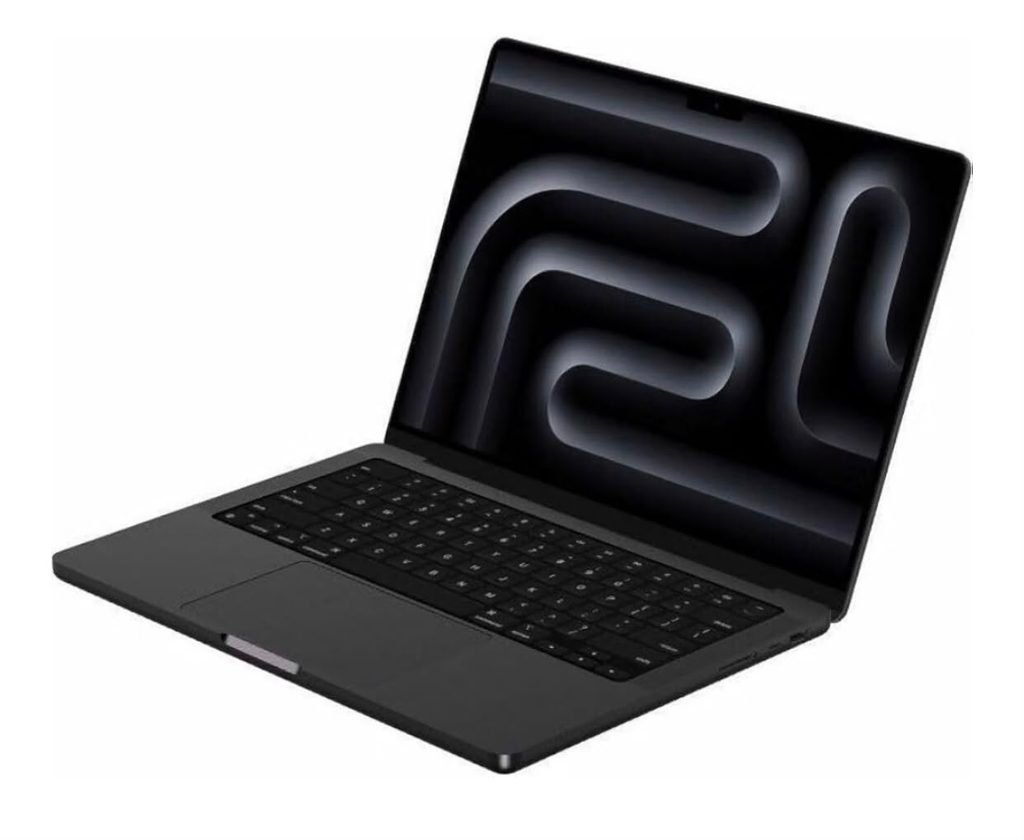
Quick Answer: Is 8GB Enough for a MacBook?
8GB is enough if you are a light user.
It can comfortably handle:
- Web browsing
- Microsoft Office
- Google Docs
- School assignments
- YouTube and streaming
- Video calls
- Basic photo editing
- Light coding
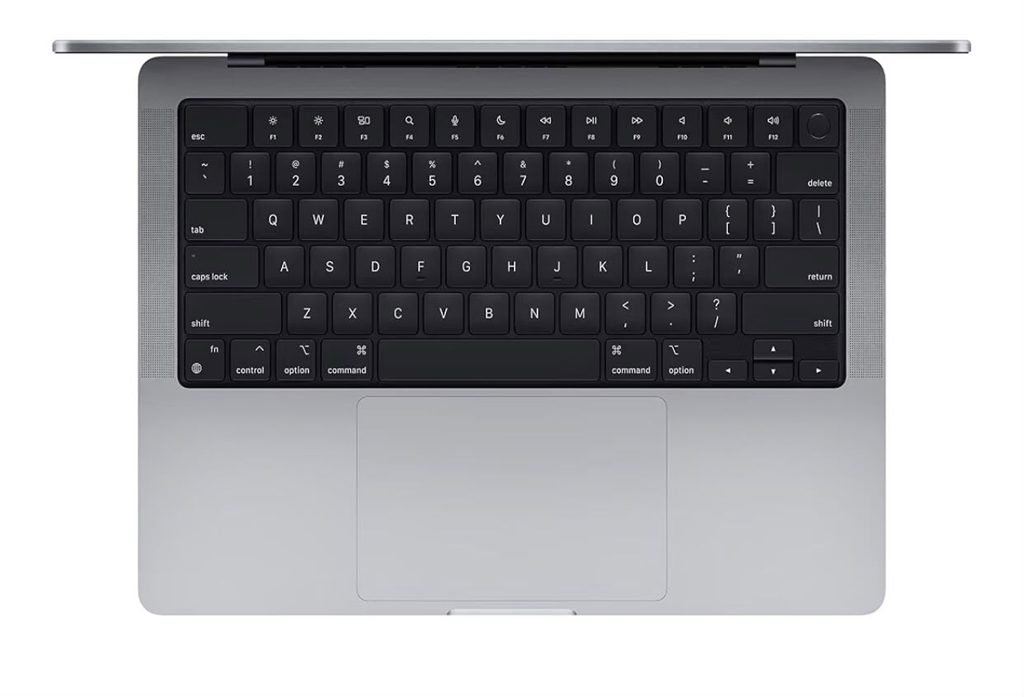
But if you’re buying a MacBook that you want to keep for several years, 16GB is the safer recommendation.
| RAM | Best For | Recommendation in 2026 |
| 8GB | Basic everyday use | Acceptable for light users |
| 16GB | Students, work, multitasking | Best choice for most people |
| 24GB | Advanced multitasking | Good for demanding users |
| 32GB+ | Professional workloads | For specialized users |
Why 8GB Can Still Work on a MacBook
Apple silicon Macs use unified memory, meaning the CPU and GPU share the same memory pool. macOS can also compress memory and use the SSD when necessary.
That’s why an 8GB Apple silicon Mac can feel surprisingly capable during ordinary tasks.
For example, an 8GB MacBook can run a browser, music, documents, messaging, and video calls without necessarily becoming unusable.
Recent testing of the 8GB MacBook Neo shows that it can handle everyday tasks well, although memory limitations become more obvious during demanding workloads and heavy multitasking. citeturn0search1turn0search7
The important point is that 8GB isn’t automatically bad.
The question is whether 8GB is enough for your workload.
When Is 8GB RAM Enough?
An 8GB MacBook is a reasonable choice if you mainly use your computer for simple tasks.
1. School and College Work
Students who primarily use Google Docs, Microsoft Word, presentations, research websites, email, and online learning platforms can generally work with 8GB.
For basic schoolwork, you don’t need a high-memory MacBook.
2. Web Browsing
If you’re browsing websites, checking email, watching videos, and using social media, 8GB can be sufficient.
However, keeping dozens of browser tabs open simultaneously can increase memory usage.
3. Streaming and Entertainment
Netflix, YouTube, music streaming, and other entertainment tasks aren’t usually demanding enough to require 16GB by themselves.
4. Office and Productivity
Word processing, spreadsheets, presentations, PDFs, email, and similar productivity applications are suitable for 8GB.
If your workload is primarily documents and web apps, you can save money with an 8GB machine.
When Is 8GB RAM NOT Enough?
This is where the difference between 8GB and 16GB becomes more important.
Heavy Multitasking
If you regularly use multiple demanding applications simultaneously, 8GB can become restrictive.
For example, you might have:
- 30 browser tabs
- Photoshop
- Spotify
- Slack
- Microsoft Word
- A video call
all running at once.
That’s when 16GB starts providing much more breathing room.
Video Editing
Light video editing may work with 8GB, but serious video editing is better suited to 16GB or more.
If you’re editing large 4K projects or working with multiple demanding effects and applications, consider 24GB or 32GB.
Programming and Development
Basic coding can work perfectly well with 8GB.
However, developers running virtual machines, Docker containers, emulators, large projects, databases, and multiple development tools should choose at least 16GB.
For heavier development workloads, 24GB or 32GB can make sense.
Professional Creative Work
Graphic designers, photographers, musicians, video editors, and 3D artists should generally avoid 8GB.
Creative applications can consume substantial amounts of memory, particularly when working with large projects.
8GB vs 16GB MacBook: Which Should You Buy?
If you’re deciding between an 8GB and 16GB MacBook, 16GB is the better investment for most new buyers in 2026.
The difference isn’t necessarily that a 16GB MacBook will always feel twice as fast.
Instead, additional memory gives your Mac more room to handle multiple applications without relying as heavily on memory compression and SSD swapping.
Apple’s current Mac lineup reflects this shift: 16GB is now the standard starting point for most Mac models. citeturn0search0turn0search2
Choose 8GB if:
- You have a limited budget
- Your workload is basic
- You mainly browse the web
- You use documents and email
- You’re buying a MacBook Neo
- You don’t multitask heavily
- You don’t expect to run demanding software
Choose 16GB if:
- You want your MacBook to last several years
- You multitask frequently
- You’re a student who uses many applications
- You work with large documents or spreadsheets
- You do light-to-moderate creative work
- You program regularly
- You want more future-proofing
What About the MacBook Neo’s 8GB RAM?
The MacBook Neo deserves special attention because it is the current MacBook designed around 8GB of memory.
Apple positions it as a more affordable Mac, and its 8GB memory cannot be upgraded later. citeturn0search5
For students, casual users, and people who mainly browse, write documents, stream video, and perform everyday tasks, 8GB can be sufficient.
The problem is longevity.
Because the memory is fixed, you cannot upgrade the MacBook Neo from 8GB to 16GB later if your needs increase.
That makes the purchase decision more important.
If you already know you’ll be doing demanding work, it’s better to start with a MacBook that has more memory.
Can You Upgrade MacBook RAM Later?
No.
Modern Apple silicon MacBooks use integrated unified memory, and the RAM cannot be upgraded after purchase.
This is one of the biggest reasons to think carefully about your RAM choice.
You can add external storage later if you need more space. You cannot simply install additional RAM.
For that reason, paying more for 16GB at the time of purchase can be worthwhile if you expect your workload to grow. citeturn0search2turn0search6
Does 8GB MacBook RAM Equal 16GB RAM?
No.
You may hear people say that Apple’s unified memory makes 8GB equivalent to 16GB on another computer.
That’s an oversimplification.
Apple silicon’s unified memory architecture is efficient, and macOS manages memory intelligently. But 8GB is still 8GB.
Unified memory can help a Mac use its available memory efficiently, but it doesn’t magically double the physical capacity.
When your workload exceeds available memory, macOS can use compression and SSD swap, but SSD storage is slower than RAM. citeturn0search1turn0search8
Is 16GB Enough for a MacBook in 2026?
Yes. For most people, 16GB is the sweet spot.
It is enough for general productivity, browsing, schoolwork, programming, multitasking, and moderate creative work.
If you’re a typical student, office worker, writer, or general Mac user, 16GB should provide plenty of headroom.
You only need to consider 24GB, 32GB, or more if you regularly perform demanding workloads.
Should You Buy an 8GB MacBook in 2026?
It depends on the price and your needs.
If you’re buying a used or refurbished MacBook with 8GB at a significant discount, it can still be a good deal.
But if you’re buying a brand-new MacBook and can afford 16GB, I’d choose 16GB.
The extra memory gives you more flexibility and reduces the likelihood that you’ll outgrow your MacBook as your applications and workload become more demanding.
Final Verdict: Is 8GB RAM Enough for MacBook in 2026?
Yes, 8GB RAM is still enough for light MacBook use in 2026.
But there’s an important distinction:
8GB is usable. 16GB is recommended.
If you’re a casual user, student, or someone who primarily browses the web and uses productivity applications, 8GB can do the job.
For a new MacBook that you want to keep for several years, however, 16GB is the smarter choice.
And if you’re buying a MacBook Neo specifically, its 8GB configuration is acceptable for basic workloads, but demanding users should look at a MacBook with more memory.
Bottom line
- 8GB: Good for basic users
- 16GB: Best for most MacBook buyers
- 24GB: Better for heavier multitasking and creative work
- 32GB+: For professional workloads
- 8GB MacBook in 2026: Still usable, but not the best choice for everyone
If you’re unsure, choose 16GB. It’s the safest balance between price, performance, and long-term usability.
Frequently Asked Questions
Is 8GB RAM enough for MacBook Air in 2026?
Yes, 8GB can handle browsing, documents, streaming, schoolwork, and other light tasks. However, 16GB is a better choice for long-term use.
Is 16GB RAM better than 8GB for a MacBook?
Yes. 16GB provides more headroom for multitasking and demanding applications and is the recommended starting point for most MacBook buyers in 2026. citeturn0search0
Is 8GB enough for a MacBook for students?
Yes, especially for basic schoolwork, research, documents, presentations, email, and online classes. Students who multitask heavily should choose 16GB.
Is MacBook Neo 8GB RAM enough?
For basic everyday use, yes. The MacBook Neo is designed as an affordable Mac and can handle common productivity tasks. However, its 8GB memory cannot be upgraded, so demanding users should consider a MacBook with 16GB or more. citeturn0search1turn0search5
Should I buy 8GB or 16GB MacBook in 2026?
Choose 8GB if saving money is your priority and you have a light workload. Choose 16GB if you want better multitasking and a MacBook that is more comfortable to keep for several years.
Can MacBook RAM be upgraded later?
No. Modern Apple silicon MacBooks have integrated unified memory that cannot be upgraded after purchase. citeturn0search2